
Everywhen at a Glance
- The Everywhen is the afterlife of the gods and the origin and endpoint of magic.
- Its disrupted magic complicates Faye’s attempt to return home.
An afterlife beyond the familiar realms
The Everywhen is where Faye awakens after the funeral that begins Kratos and Atreus’s journey. Santa Monica describes it as a transcendent realm and the origin and endpoint of magic. Gods and creatures associated with different mythologies occupy the same setting, alongside beings native to it. That shared space gives the new story a way to move beyond the Norse locations familiar to Faye.
The director interview frames this world as an answer to a question raised by Odin’s search for knowledge: what happens to gods when they die? The answer belongs to this game’s interpretation of its universe. It should not be treated as a literal description of every historical religion’s afterlife, or as proof that each previously deceased character appears here.
Beauty under strain
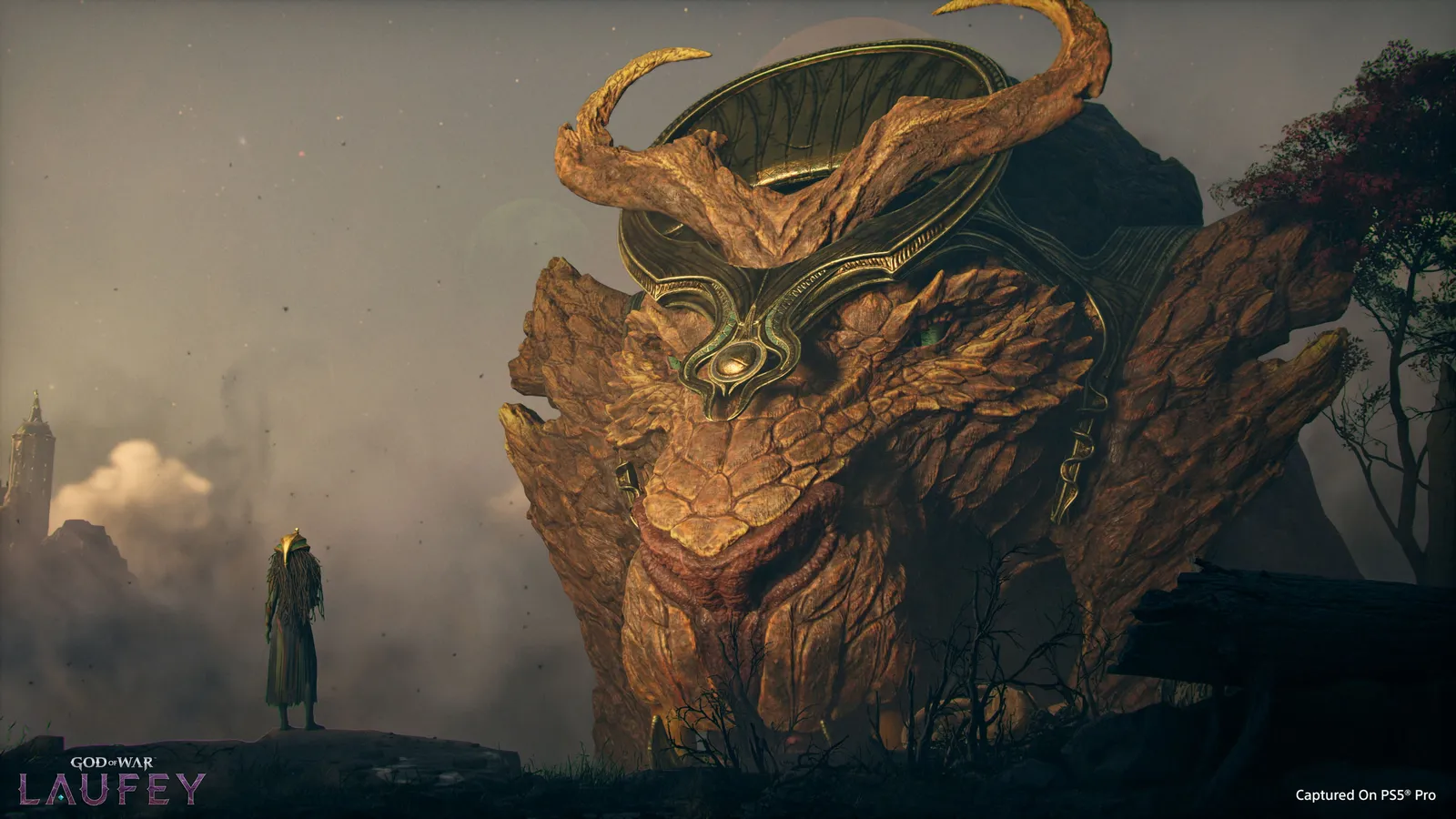
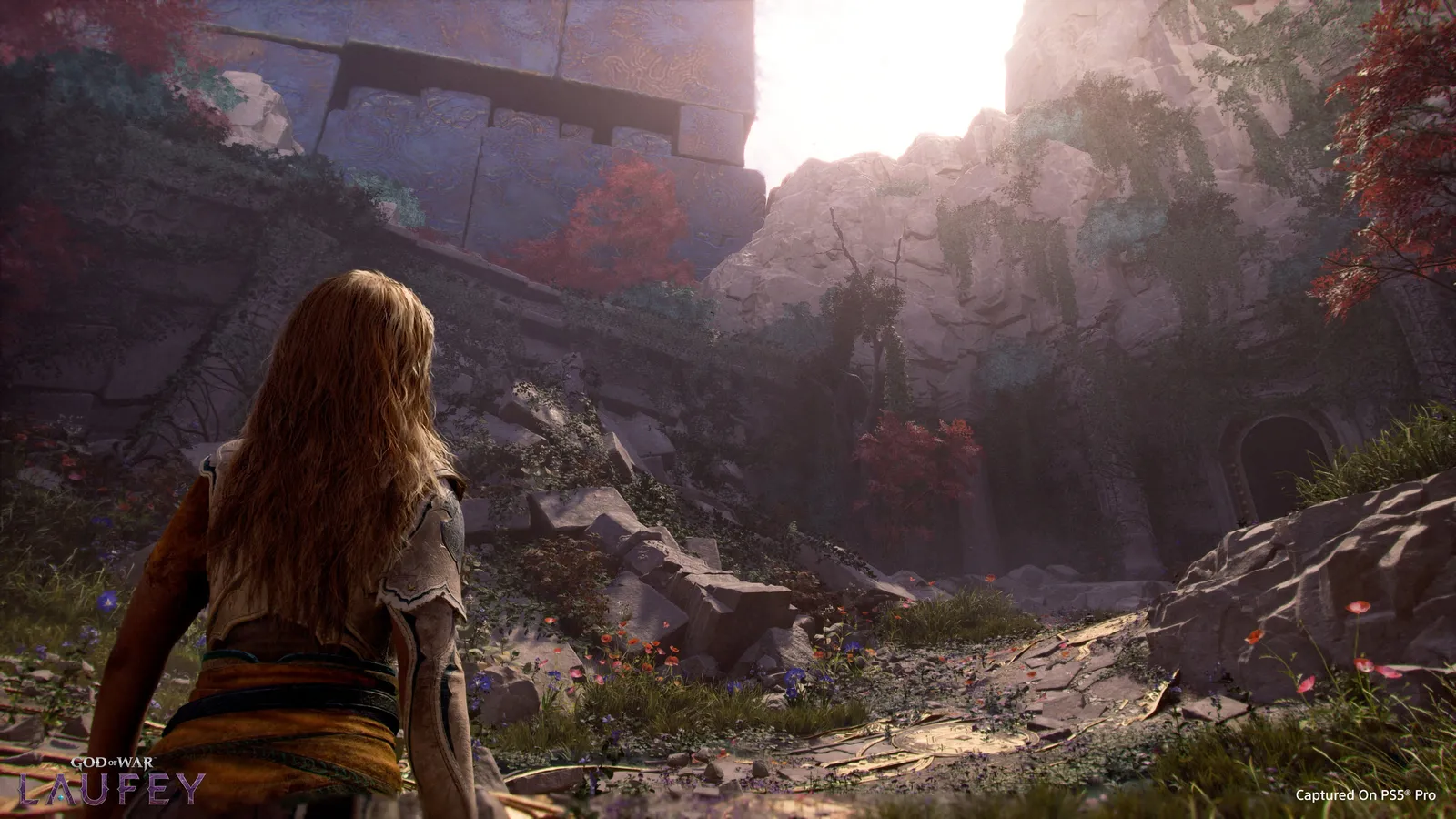
The narrative introduction describes a vivid, lush world that has suffered corruption. Its beauty is part of the disorientation Faye experiences on arrival: the location is unfamiliar, and its magical possibilities are accompanied by danger. Official screenshots show ruined structures, vegetation and monumental spaces, but the material has not supplied a named regional atlas.
The core problem is a disruption in magic’s natural flow. This prevents the Everywhen from functioning as it should and complicates Faye’s hope of leaving. The developers repeatedly contrast the promise of an afterlife with the experience of imprisonment. The precise cause and full remedy remain part of the unreleased story.
The closed gateway
The revealed dialogue explicitly says the gateway is closed. Faye’s need to leave is therefore a story objective constrained by the setting, rather than a freely available journey back to the mortal world. Her concern about another mask and the safety of her family gives that obstacle urgency.
The same sequence shows that arriving does not mean Faye immediately understands the world or her own magic within it. She describes feeling wrong, then works with Rue and Phranque to focus and attempt an escape. These events establish adaptation to the Everywhen as an early part of the experience.
Gods, captives and companions
Sekhmet and Begtse are the two hostile gods named in the announcement. The director interview connects them with the powers controlling the setting, and the reveal follows Faye through captivity and resistance. The official material establishes them as threats without disclosing a complete hierarchy of factions or rulers.
Rue and Phranque offer different connections to the place. Rue’s responsibility centers on the sword, while Phranque is attached to the Everywhen and its creatures. Their knowledge and priorities help Faye navigate a world she initially sees mainly as an obstacle between herself and home.
What the setting changes about combat
The Everywhen’s concentration of magic amplifies Faye’s soul-related abilities. She can detach a foe’s soul through a palm strike, then attack it or send it into other targets. The setting therefore has a mechanical consequence alongside its role in the story.
Faye also acquires Rue’s sword after arriving, while the Serpent Bow is introduced as another weapon she uses in the Everywhen. The game’s combat identity combines these tools with jumping, movement through the air and support from the companions. These are disclosed systems, rather than evidence of a complete list of regions, activities or quests.
Exploration and unanswered geography
PlayStation promotes exploration as a major feature and describes the Everywhen as a vast world. That language supports a location overview, but it does not provide map dimensions, named settlements, travel speeds or a confirmed open-world structure. This page therefore covers the demonstrated characters and systems while leaving precise geography open.
How it differs from a familiar mortal afterlife
Barlog and Lawrence describe the Everywhen as existing beyond the mortal world and the afterlives familiar to humans. The reveal has Faye explicitly reject the Light of Alfheim as an explanation for where she has arrived. Together, these details establish that the story is introducing a different cosmological space. They do not make the Everywhen a newly confirmed region on a map of the Nine Realms.
Magic as part of the environment
In a reveal interview, Barlog describes the Everywhen as having a much greater concentration of magic than the previously explored Greek and Norse settings. His comparison is a description of the world’s magical intensity; it should not be read as a numerical multiplier for Faye’s damage, cooldowns or character statistics.
Everywhen Screenshots

Connected Entries
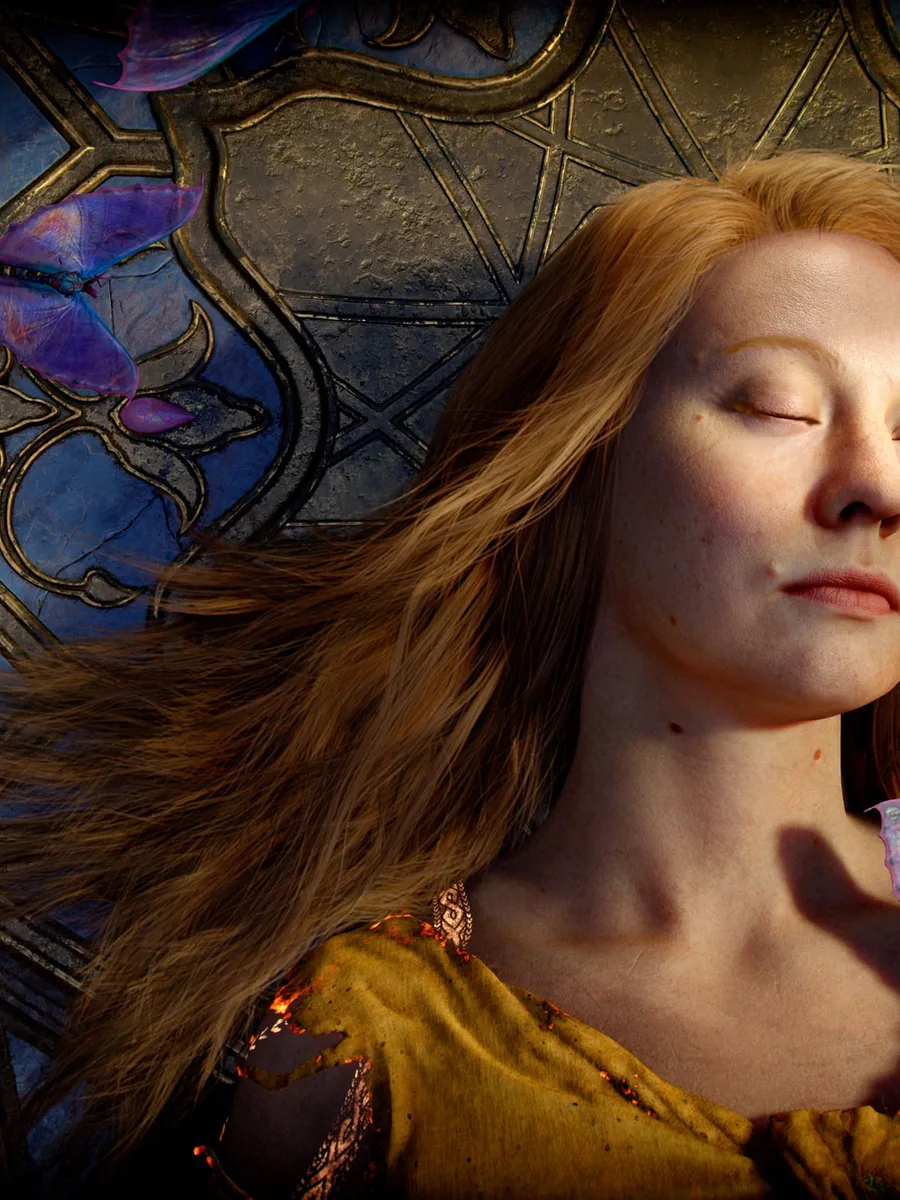
Laufey
Faye awakens here and searches for a way home.
View character ↗
Phranque
Phranque seeks to protect the Everywhen and its creatures.
View character ↗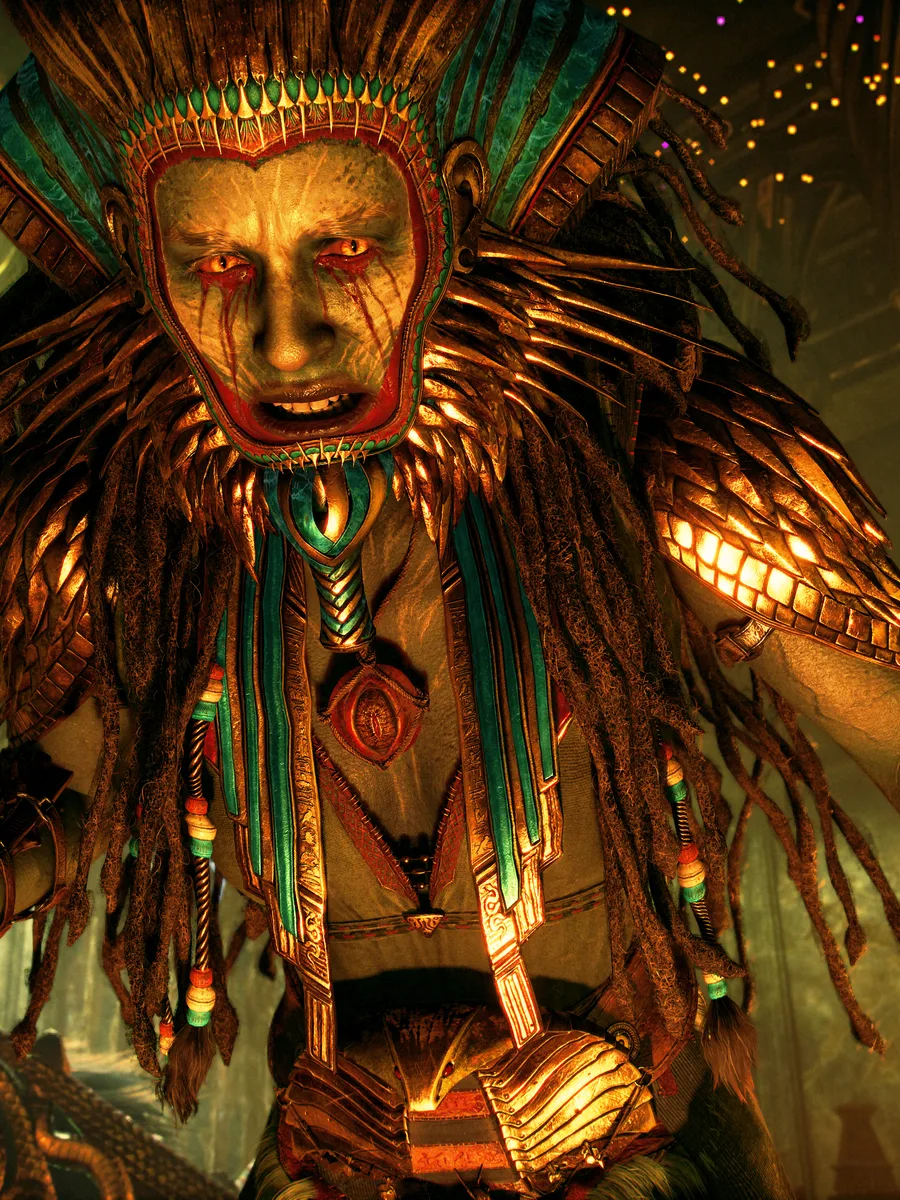
Sekhmet
Sekhmet is one of the named hostile gods.
View character ↗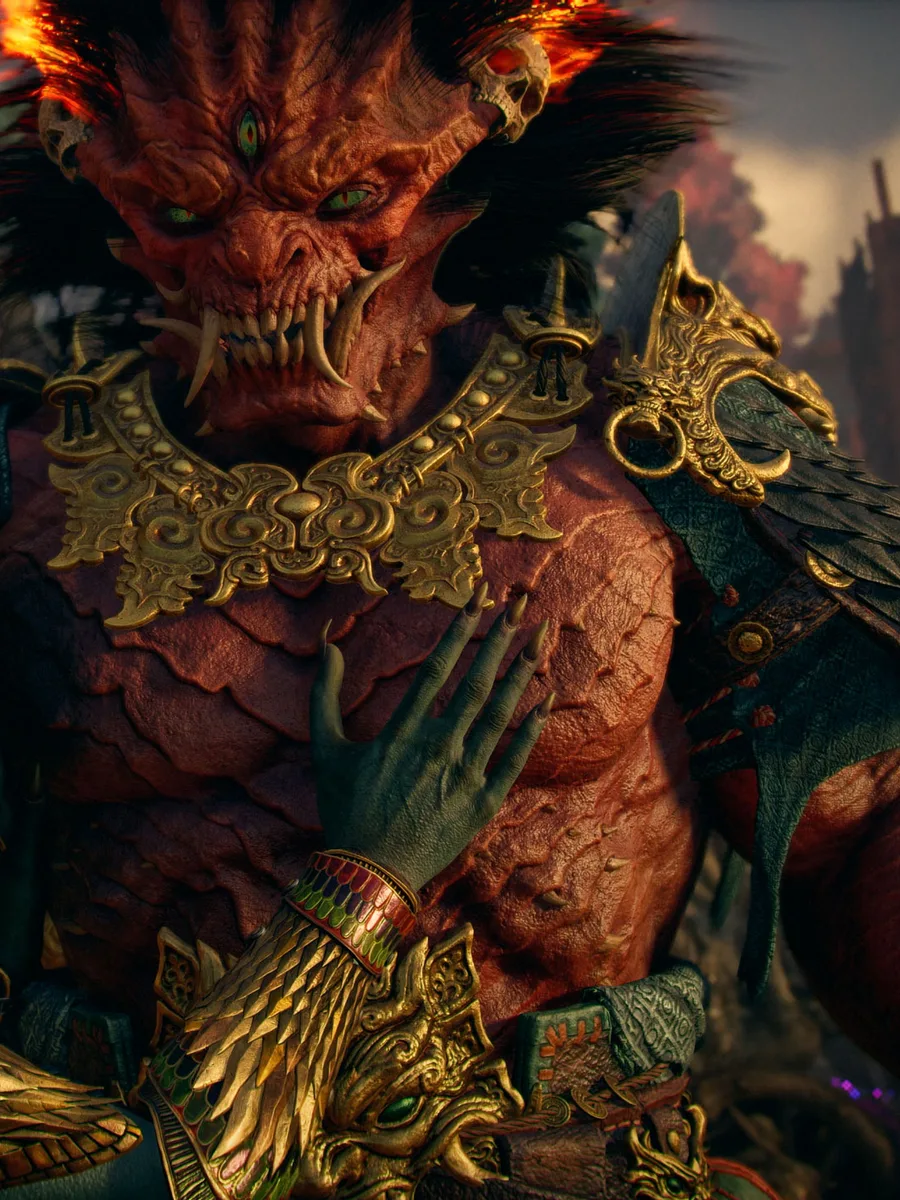
Begtse
Begtse is one of the named hostile gods.
View character ↗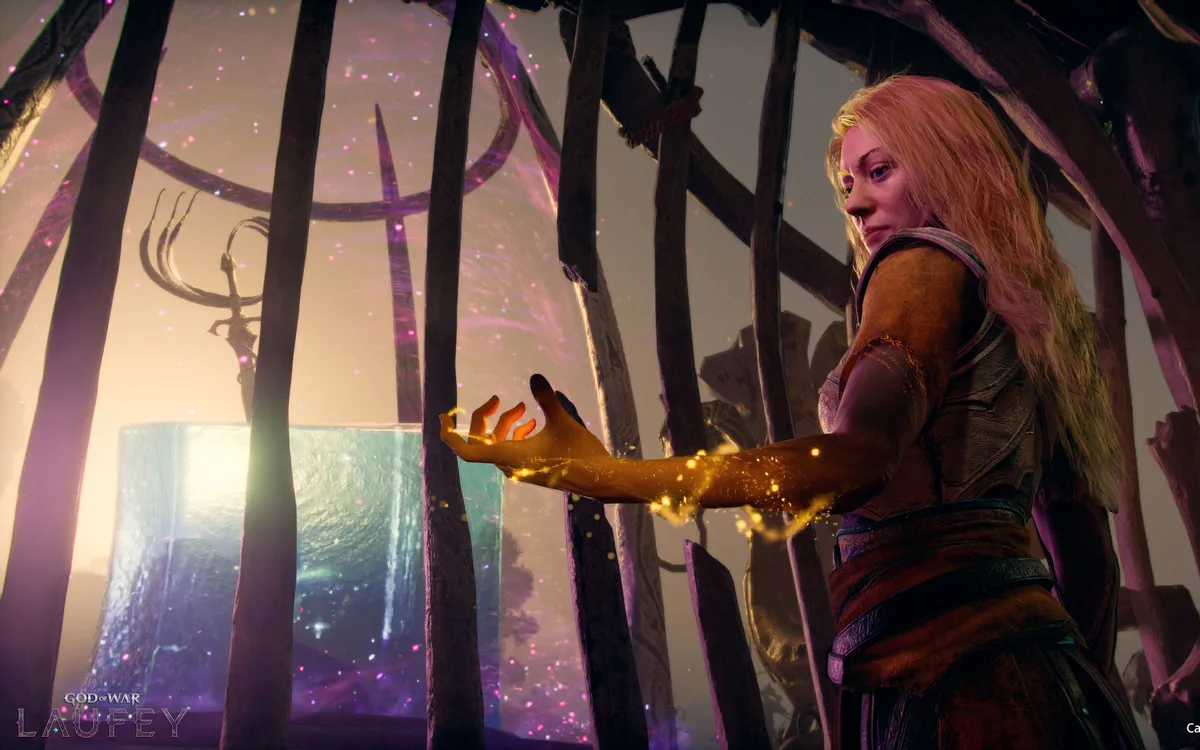
Soul Manipulation
The setting strengthens her soul-related magic.
Read guide ↗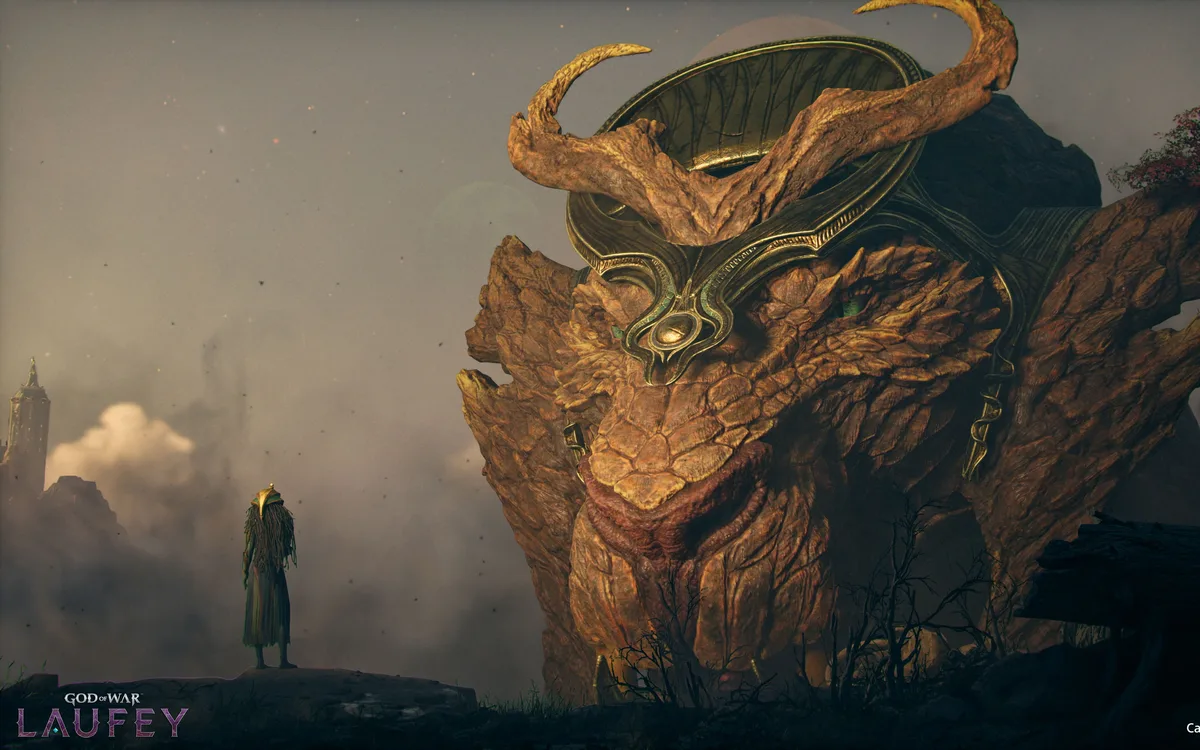
The Afterlife and the Disrupted Flow of Magic
The disrupted magical order is part of the setting’s official premise.
Read guide ↗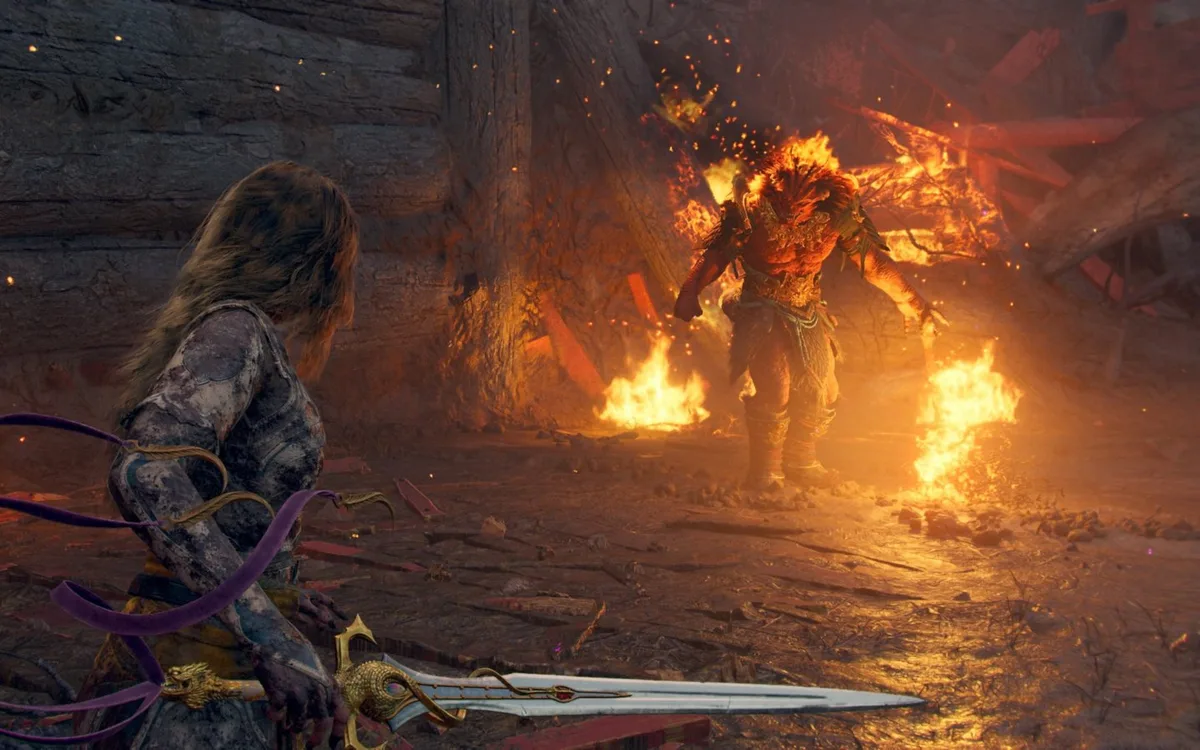
Masks and the Closed Gateway
The masks and closed-gateway dialogue occur in the Everywhen.
Read guide ↗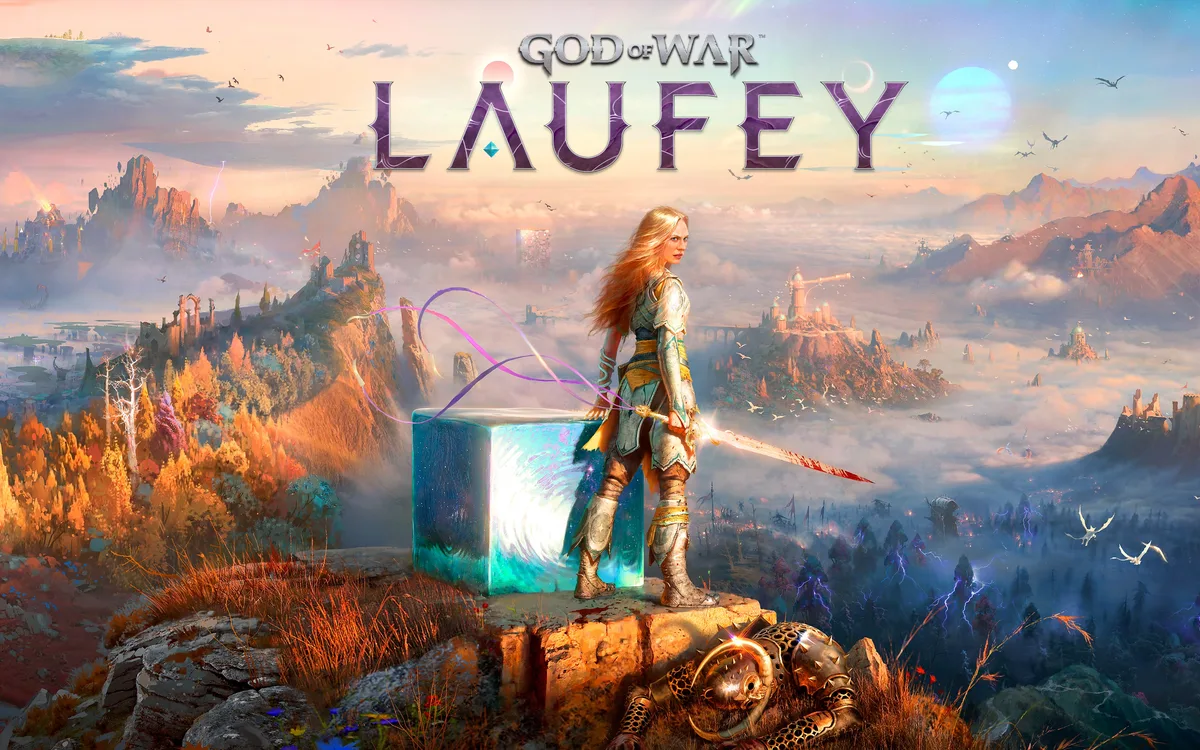
God of War Laufey
The Everywhen is the main setting.
Read guide ↗Frequently Asked Questions
What is the Everywhen?
It is the afterlife of the gods and the place magic originates from and returns to.